
Search Website

Career Development
Career Development

Career Development
Career Learnings from BrainsCAN Alumni
Speakers
Olamide Adebiyi, DVM, PhDAssistant Professor of Neuroscience, University of Saskatchewan Department of Veterinary Biomedical Sciences |
Sydni Paleczny, MAStaff Scientist, Creyos and Researcher, Western University and London Health Sciences Centre |
Björn Herrmann, PhDResearch Scientist, Rotman Research Institute at Baycrest Academy |
Oren Princz-Lebel, PhDSenior Advisor in Research and Program Support, University of Ottawa Faculty of Medicine |
Cassandra Lowe, PhDAssistant Professor of Psychology, University of Exeter |
Avital Sternin, PhD, JDArticling Student, Borden Ladner Gervais |
Academia or industry for science grads?
Oren Princz-Lebel
"I was really struggling to know whether I wanted to stay in academia and go down the tenure track or whether I wanted to leave…Family was the biggest one – you can have a family in academia, and other people in this panel could talk about that, but it's tough, and especially when you have a partner as well who has a job that has limited locations, it's really tough to find a spot that works for you. So in my position, when I was finishing my PhD, I just had a baby, and I wasn't willing, in the end, I wasn't willing to move multiple locations. And realistically, unless you're really, really, really lucky, that's often how academia works…also the work-life balance."
Sydni Paleczny
“It wasn't necessarily whether I want to continue in research, but it was sort of in what sense, because there's so many different avenues for research to be done. Like, I mean, we're talking about industry versus academia, but within both of those, there's so many different pathways for you to do research. It's not the typical – I knew I didn't want to be sitting at my computer constantly writing a thesis every day. You know that just wasn't for me. I was ready to kind of move on and see research in a bit more of a faster-paced environment. And for me, that was industry. So I was interested in pursuing a corporate position, looking to see what that might be and what research is like in that context.”
Cassandra Lowe
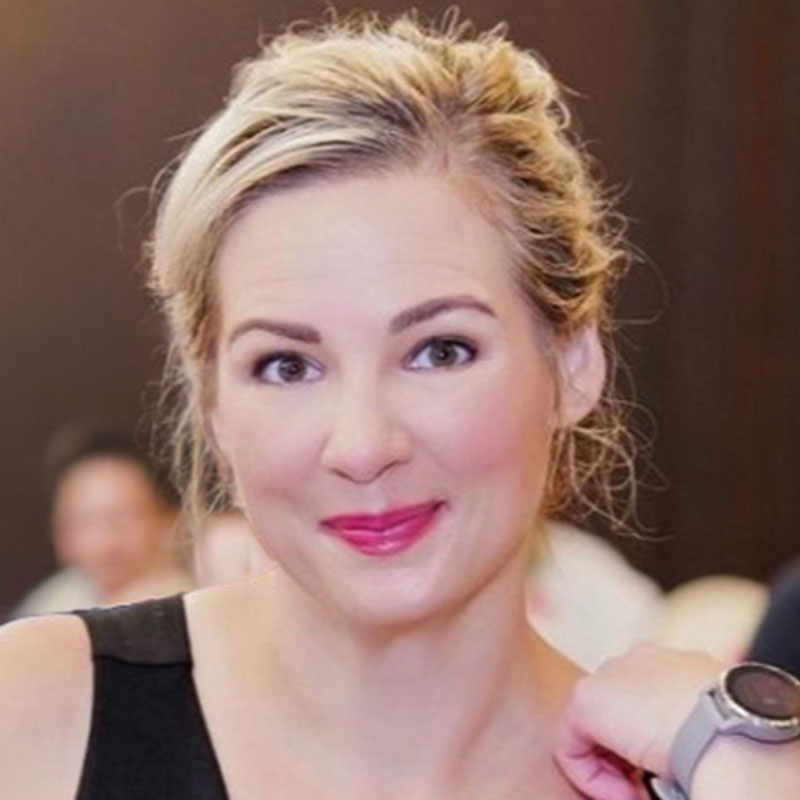
Cassandra Lowe, PhD
“I set boundaries. I have my workday when I get home, home, with my home time, and I'm decently successful at my job, I might not be a superstar, and I'm okay with that. And that's kind of the boundaries I set for myself going into academia, is that I knew I needed these limitations. I was very fortunate where I do have a family and have a very supportive partner who was willing to move and I was very much looking to move out of Canada when I was done my postdoc, mostly because I just wanted a change of scenery. Canadian job market for academia, unfortunately, is nonexistent. So oftentimes, if you do want to go, you do need to have that flexibility…the end of the day, academia was always kind of what I wanted to do, and research was sort of my core calling.”
Olamide Adebiyi
“I think it's more of your passion. What I always ask myself is, ‘Can I do this job without being paid?’ And I will say, ‘Yes.’ If you can do your job without being paid, then when the stress comes, you know, it's part of it, and it's just for a very short time. So I think I'm enjoying it. I'm enjoying going to the clinic, doing the research, mentoring students, teaching and all of that.”
Björn Herrmann
“The way I look at academia, it's a little bit like a startup, entrepreneurial kind of environment where you can really shape what you're interested in. You shape it basically you just need to have a good idea and apply for funding. I mean, it's a little too simple, but the idea is you can basically shape which direction you go. And I think in industry this is not always the case, so that some of the tasks would be handed to you a little bit more. So I really enjoy that you can go kind of the direction that you’re really interested in. So for me, it was always kind of - I like hanging out with people who are really smart, having interesting conversation. You learn stuff all the time. I really enjoy that, and it's a flexible job.”
Preparing for life after your degree
Avital Sterning
“I pivoted from neuroscience to law…I thought, well, I know being a lawyer is a thing. And so I started Googling, ‘What do lawyers do?’ Which is a ridiculous thing to say out loud, but I did that. And then I started cold emailing people. And I don't know if I can impress upon you the benefits of a cold email. Sending a cold email to somebody who you've never met, but who is doing something you think is interesting can be extremely useful, and that's how I have built a network of mentors that I would never have met otherwise. And honestly, 50 per cent of people don't respond, but you probably don't want to talk to them anyways. And the people that do respond to you are responding to you because they genuinely care about the question that you're asking and about passing on some piece of information that they have that they think could help you. I emailed a lot of people, and I have learned a lot about law and about other careers that way.”
Oren Princz-Lebel
“The experiences I had, that actually were super beneficial for me applying for jobs recently were all of the volunteer as well as the small paid jobs that I did that had nothing to do with my science. So obviously, when you're applying for academic adjacent or industry – I was applying for a bunch of government jobs as well - you're doing a resume, not a CV, and so you're scrapping your eight-page CV, all of a sudden, to two pages. I remember writing it and going, ‘I have nothing that I can add,’ because you can't talk about your papers, you describe them, but all of a sudden, like my quite long CV, turned into something extremely, extremely small. And that really scared me. But the thing that hopefully might be a bit beneficial to you guys, if you are interested in these kind of positions, is that the things that I relied on were that I worked at the Society for Neuroscience Graduate Students (SONGS), and I put that on, I was a lecturer, and I put that on, and it kind of fills up your resume with a lot, like, you're learning a lot of experiences in these kind of small things you're doing on the side of research that you normally are like, ‘Oh, we're just doing it because we love it. It's on the side of our proper research.’ But those were the positions that I didn't realize how important they would be until I started applying. So, if you guys are doing those, or you haven't done them yet and aren't sure what you want to do, I would highly suggest you do them.”
Olamide Adebiyi
“I think putting yourself out there, let people know what you want to do, go to conferences. You're going to meet people part of the committee, even among trainees I remember, like my job talks, our people in the lab, our practice talks, our mock talks, and all of that. So, the networking thing was really very, very important. People would send me openings that I wasn't aware of. And so that was really, like, very helpful.”
Björn Herrmann
“When opportunities arrive or happen to come your way, just say yes to them…Grab opportunities that come along, and it's exactly the kind of stuff that later, wherever you want to go will be good for your CV, but also, more generally, for your experience and shaping, kind of like how you look at what the things you want to do.”
Sydni Paleczny

Sydni Paleczny, MA
“I was told something quite comforting when I was looking for jobs, which was something like 80 per cent of the jobs that we're going to get don't even have a name yet. They're not out there yet. They haven't been created. So that was kind of comforting that it's partially on you to seek out these jobs that you might not know even exist. And I know this happened for me.”
Network, network, network
Cassandra Lowe
“I’m just going to jump in quickly and emphasize the importance of networking. It’s something I was terrible at. It's something that I've really been focusing on right now, and I've also been a recipient of these cold emails, and now I'm on these really cool research projects, just because somebody was like, ‘Oh, I like what you do, let's work together’…I've met all these amazing people. I’ve built an international network. It is really scary. I know, it was terrifying, but if you can do it and put yourself out there, it's really beneficial.”
Olamide Adebiyi
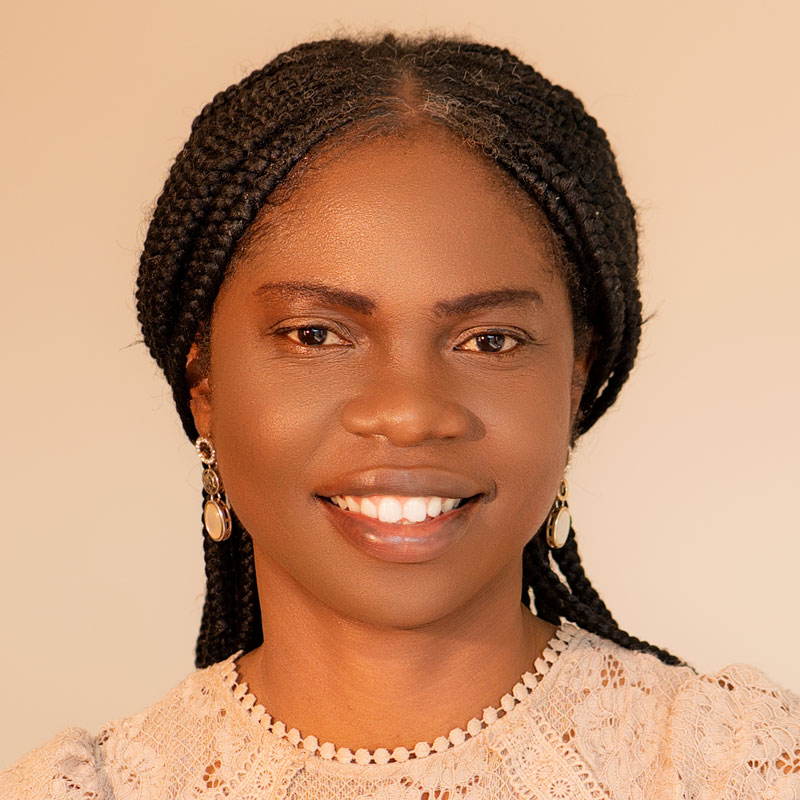
Olamide Adebiyi, DVM, PhD
“Apart from the vertical relationships, maybe with mentors or (principal investigators), you also need the horizontal relationship with your peers. People you're going to be applying for jobs with together. You can share the experiences and all of that, and especially the job market in Canada for the last maybe 18-24 months has really been very scary. So just coming together, just like ranting or even chatting, it can really be helpful emotionally, like, you know you're not just alone. Everybody's going through the same struggle you're going through. You can share tips on your interview and all of that. So I really found that to be very helpful.”
Skills that will help your future career
Avital Sternin
“A lot of what you do as a legal student is research on legal questions…And being able to digest that information and summarize it in a way that is useful to the person reading it is basically scientific knowledge translation, it's the same thing. The other thing that's been very useful to me is, as a function of grad school, I'm very good at taking feedback, and I think that having that, not taking the critiques, or the edits to my work in a personal way, has made it very easy for me to build strong relationships with the people that I now work with.”
Olamide Adebiyi
“The conference presentations I've done, and all of that has really helped me to know, ‘Wat's my target audience?’ This time around I’m talking to older people, this time around I’m talking to high school students. And I really tailored my talks towards that. And so I think that some of these skills that we build along the line…has really been helpful in this position, especially in academia, that a lot of grants now look at your knowledge translation.”
Oren Princz-Lebel

Oren Princz-Lebel, PhD
“The conference presentations I've done, and all of that has really helped me to know, ‘Wat's my target audience?’ This time around I’m talking to older people, this time around I’m talking to high school students. And I really tailored my talks towards that. And so I think that some of these skills that we build along the line…has really been helpful in this position, especially in academia, that a lot of grants now look at your knowledge translation.”
Don’t be afraid to change direction
Björn Herrmann
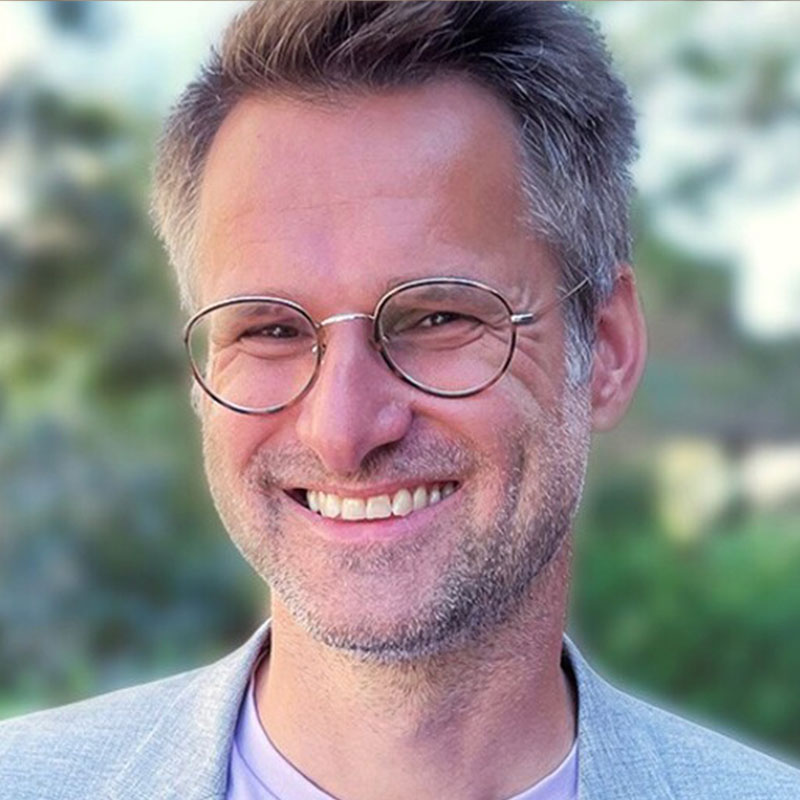
Björn Herrmann, PhD
“You learn to be at your best, because everybody gives you feedback and you improve otherwise, because it’s competitive to some extent, but I could have been somewhere else as well, industry, for example, but I do feel I was not so locked in, in my mind…There are opportunities later to switch and to think like, ‘OK, I tested this out. I liked it OK, but I want to do something else.’ And that's totally okay as well. And applies to industry jobs as well as to academia.”
Avital Sternin
“It's also okay to take time off, like you don't have to go from school to job trajectory. There are a lot of people that I know who have gone back to school, or who were in law school with me, who took some time off to do something else after undergrad. They had a job, they worked in retail, they traveled the world, they did something else, and then during that time, they realized, ‘Oh, here's the thing that I miss most,’ about whatever it is that they were doing before, and then having that time to reflect upon what they liked and didn't like and have some space from it also gave them more clarity as to, okay, when I go back. This is what I want to do.”
I'm about to graduate, now what?
Sydni Paleczny
“My main point is to be patient…You finish undergrad, you finish grad school. What the heck do I do now? I have these great credentials behind my name now, and what do I possibly use them for? So I think you kind of have to be comfortable with it's not going to happen immediately. Maybe it will, and that's great, but also maybe it won't. So give yourself some time. But on the other hand, of that, I would say be persistent in reaching out to people, applying to jobs if that's what you're interested in, if that's what you're going for.”
Avital Sternin
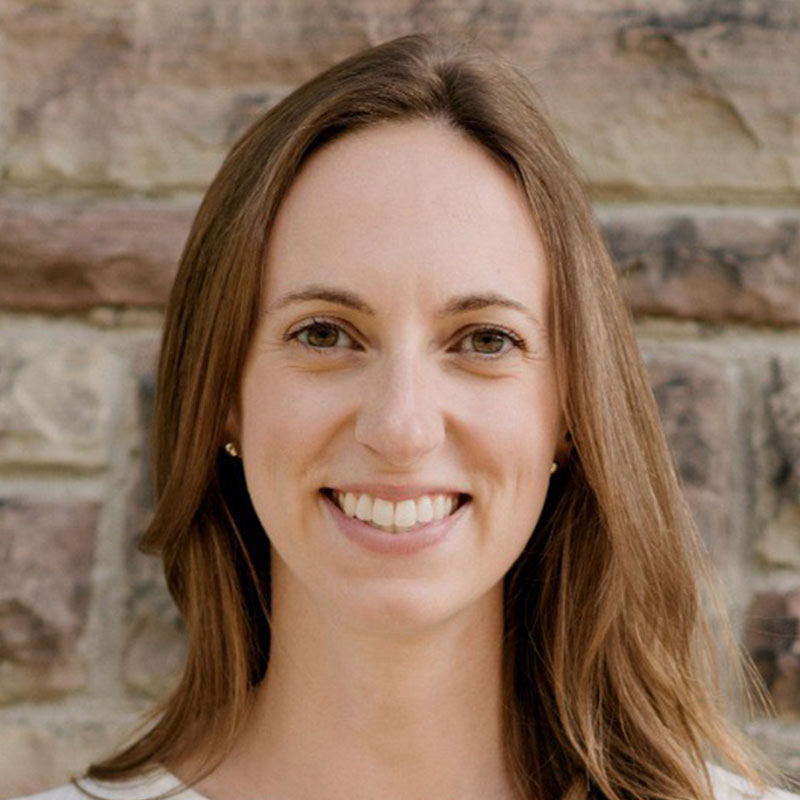
Avital Sternin, PhD, JD
“The other thing that I have learned in the last 10 years is often the answer is always more reading. And I say that, and it's kind of funny, but it applies to most things. If you're stuck in something, the answer is probably more reading, whether it's about your career, whether you're having an argument with a friend about something, you could probably read something about it to solve that argument, I can almost guarantee you. And the answer is probably more reading. And I think that that applies just generally to careers and to life.”
Cassandra Lowe
“Near the end of grad school, I absolutely had an existential crisis. I was like, ‘What am I doing with my life? Why am I here? What do I want to do?’ And what I started doing is thinking about the big picture, like, ‘What do I want my research to look like? If I do a postdoc, what do I want to learn from it?’…So then I just started making a list of people I wanted to work with…and then just started reaching out to people.”
Oren Princz-Lebel
“Just apply for everything, even if you don't think it's the right fit…Like the job I have now, I don't see myself being in 10 years down the line, it's probably not going to be the same, and that's okay.”
Björn Herrmann
“If I feel, for example, at some point, it's not as interesting anymore. Or it doesn't lead to anything new and exciting. Then I may do something else. I think just like allowing that to yourself, that you can be something else, somewhere else, that's totally OK. I don't think one needs to, like have it written in stone…What I would also say is be ready for some of those career paths, there will be luck involved…be ready to pick up your luck when it’s there.”
Olamide Adebiyi
“Just tell your story in a unique and different way…I always tell people, don't just apply. You can also call, email and say, ‘Can I get a chance to talk to the person hiring in this position?’ And they can give you some tips.”