
Search Website
Traumatic Brain Injury and Concussion
Traumatic Brain Injury and Concussion
Traumatic Brain Injury and Concussion
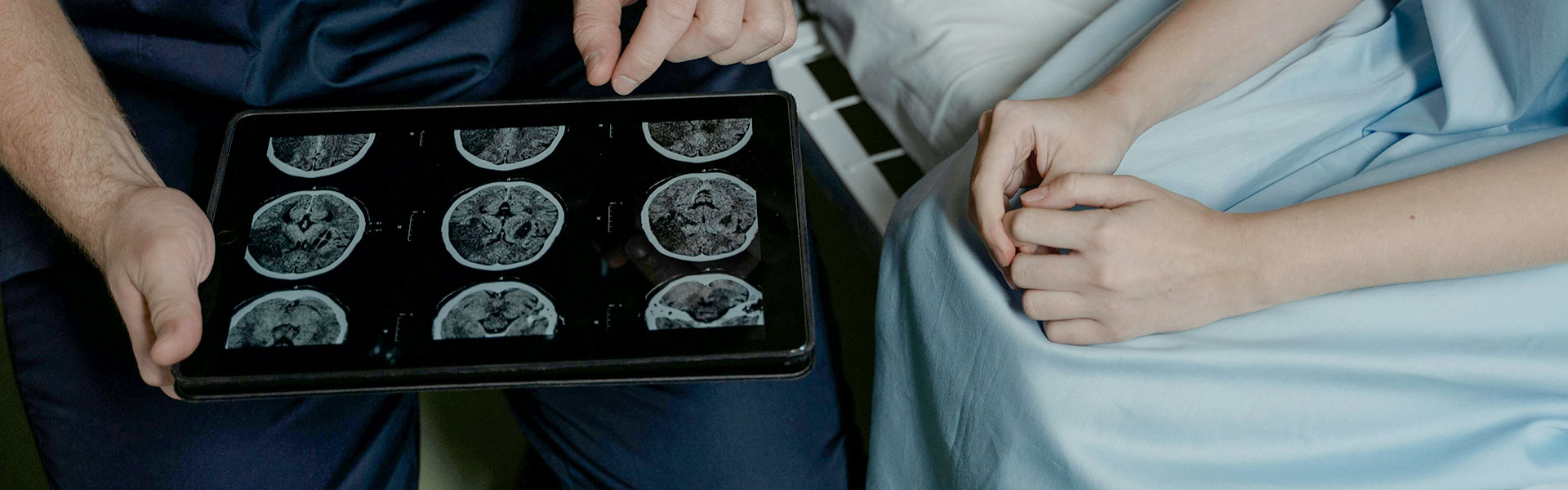
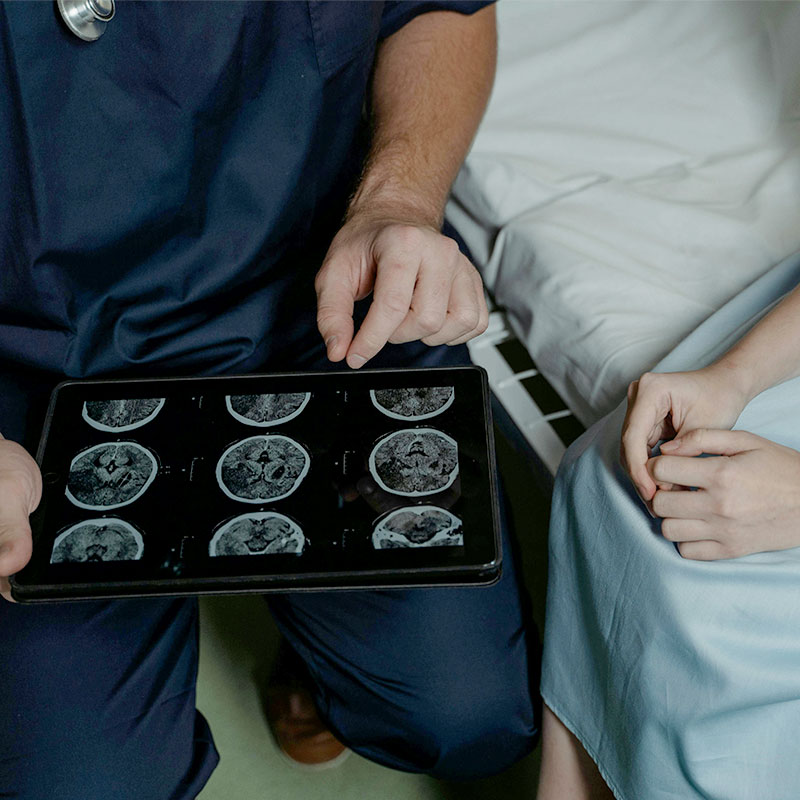
A concussion, where a sudden jolt causes the brain to shake inside the skull, can cause headaches, dizziness, confusion, and irritability. However, more serious issues can arise even if the initial symptoms appear mild.
A more severe traumatic brain injury, caused by a blow or an object penetrating brain tissue, can also result in a wide range of physical and psychological impacts, some of which may not be immediately apparent.
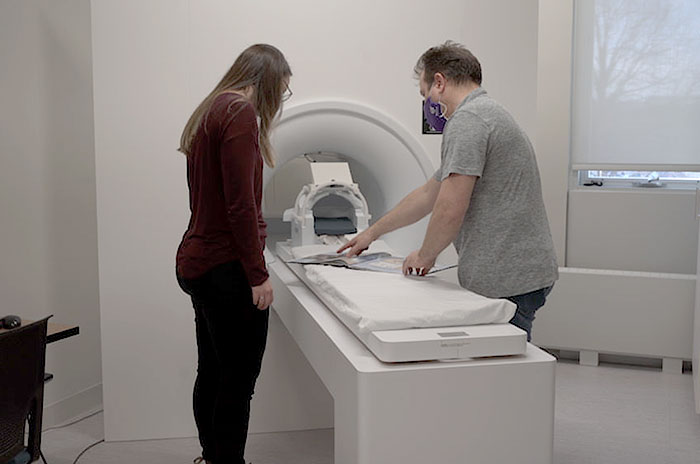
BrainsCAN-affiliated researchers have done ground-breaking work in understanding what happens to the brain after a trauma.
A combination of structural and functional magnetic resonance imaging (fMRI) allowed researchers to find three unique signatures in female athletes showing brain changes immediately after concussion, six months post-concussion, and whether there is a history of concussion.
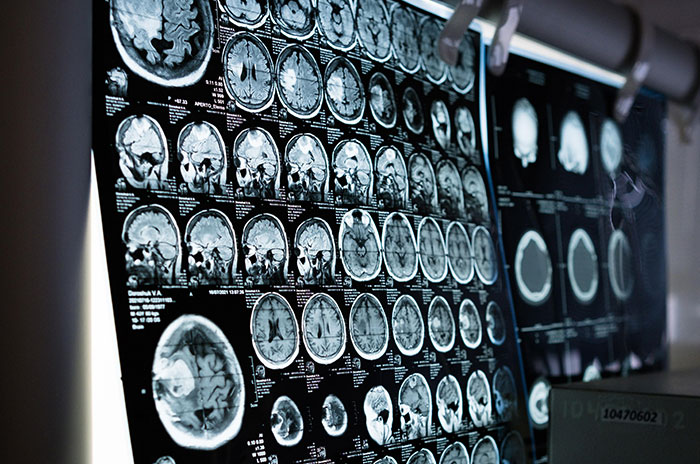
Another pair of studies found structural changes in the brains of athletes that played contact sports even in non-concussed players, though how long these changes last is not clear. A separate series of web-based tests found that those who had experienced a concussion or were involved in a contact sport performed poorly on inhibitory-control testing.
It's also still not clear why some who suffer a concussion are more likely to face neurodegeneration as they age, but there is innovative research looking at what may contribute and how it can be detected and treated.