
Podcast aims to educate educators on EDI
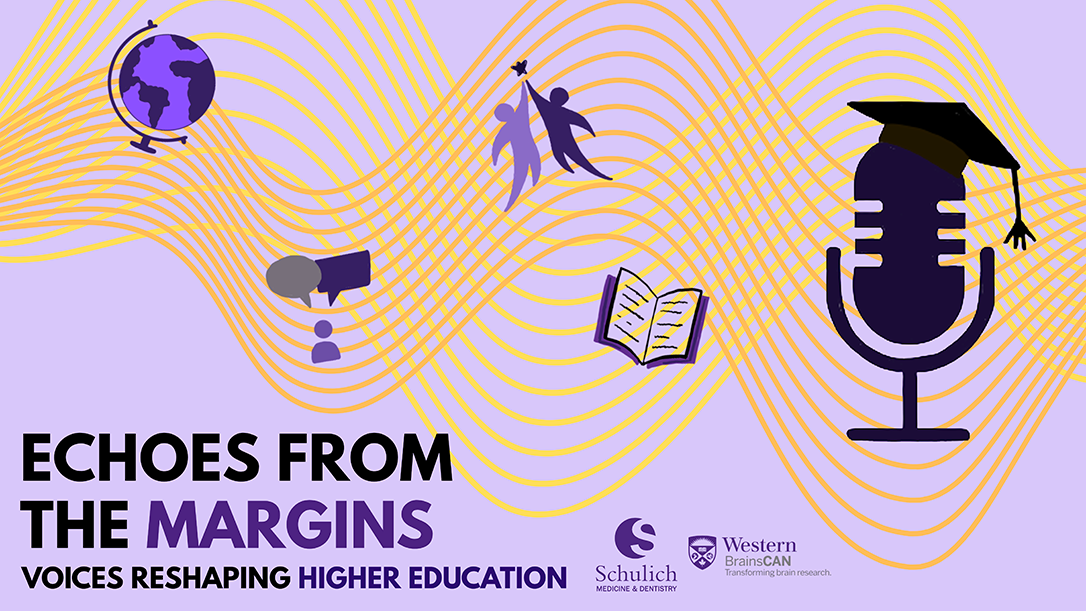
A team at Western University has created ‘Echoes from the Margins: Voices Reshaping Higher Education,’ which will share insights into including equity, diversity, inclusion and decolonization (EDI-D) principles in post-secondary teaching.
“We want to start these conversations with people who are working towards making changes in how we teach, what we teach and why we teach what we teach, and amplify their voices while engaging with the audience directly,” explains Oana Birceanu, professor of physiology and pharmacology at Western University and co-host of the podcast.
The podcast is part of a larger goal of creating a community of practice when it comes to integrating EDI-D into teaching practices, but it’s not just for staff and faculty.
“We welcome everyone to listen to it, students too, because if someone hears about a concept they like, then they can bring it into their classroom space. We want to keep this work open to all, even if some of our podcast guests are in faculty or leadership positions,” says Preetama Badyal, a recent graduate from Western’s interdisciplinary medical sciences program, and co-host.
Badyal and Birceanu also share producing and editing responsibilities.
The initial set of guests were selected after consultations with faculty, staff and students at Western’s Schulich School of Medicine & Dentistry, who were asked about their interests and the topics that would be most beneficial, and then further input from high school teachers at the Western Conference for Science Education.
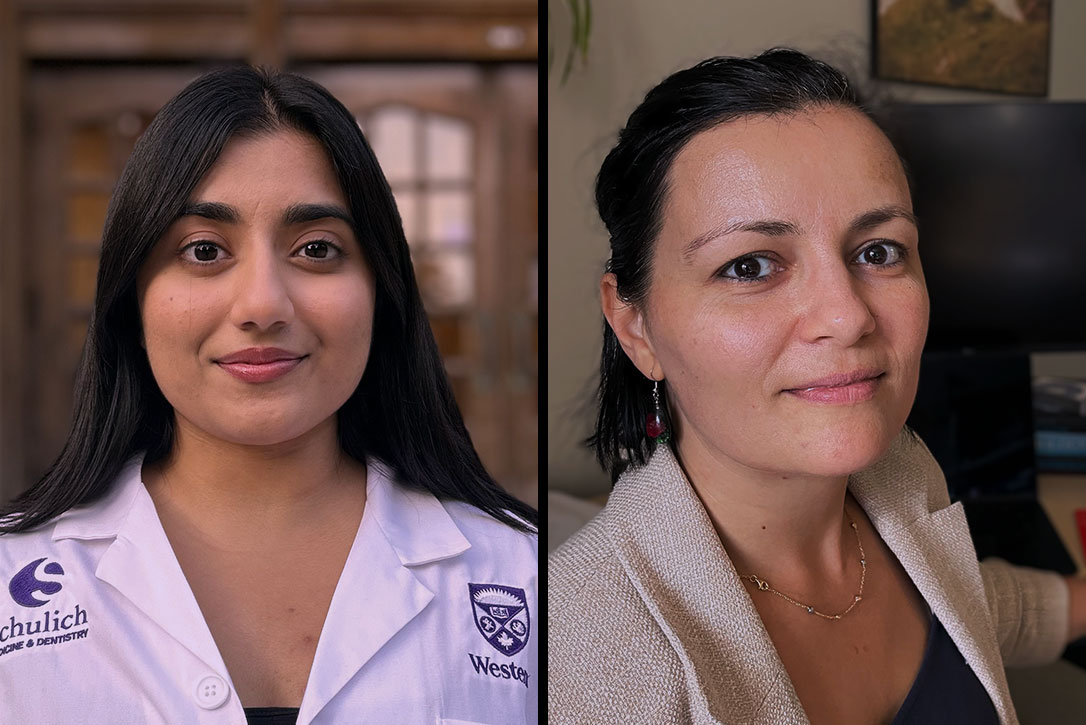
Preetama Badyal, MSc, left, and Oana Birceanu, MSc, PhD
The first episode focuses on what’s known as the ‘Hidden Curriculum,’ defined as “the unwritten and unspoken lessons, values and perspectives that students are expected to know but not formally taught,” by guest Nicole Campbell, associate professor in interdisciplinary medical sciences at Schulich.
“For example, when you have first-year students coming in, a gap exists in the first few months of their schooling as they adapt to university learning,” Badyal says. “And there needs to be a bridge as diverse students are coming in, to understand where they are starting and how to best support their learning.”
The podcast is innovative in its use of a co-creation approach both to selecting topics and working with guests.
Birceanu and Badyal will first have an in-depth consultation with their guest, going over what they are considering discussing, but also encouraging the guest to suggest other topics of conversation, before they sit down to record.
“We’re also collaborating with folks after the recording,” Birceanu says. “We’re sending them the final edited version and saying, ‘What do you think? Do you like it? Do you not like it?’” The podcasts won’t be broadcast until everyone is happy with the finished product.
The ultimate goal is for educators to use the podcast as a starting point to further explore the topics that interest them.
“The podcast is the conversation, but we also do a lot of asides where we pop in and define things, reflect on our conversation and put it into context as an educator and recent university graduate,” Birceanu adds. “We try to bring those perspectives in. And in our show notes we link resources that guests have mentioned in our podcast.”
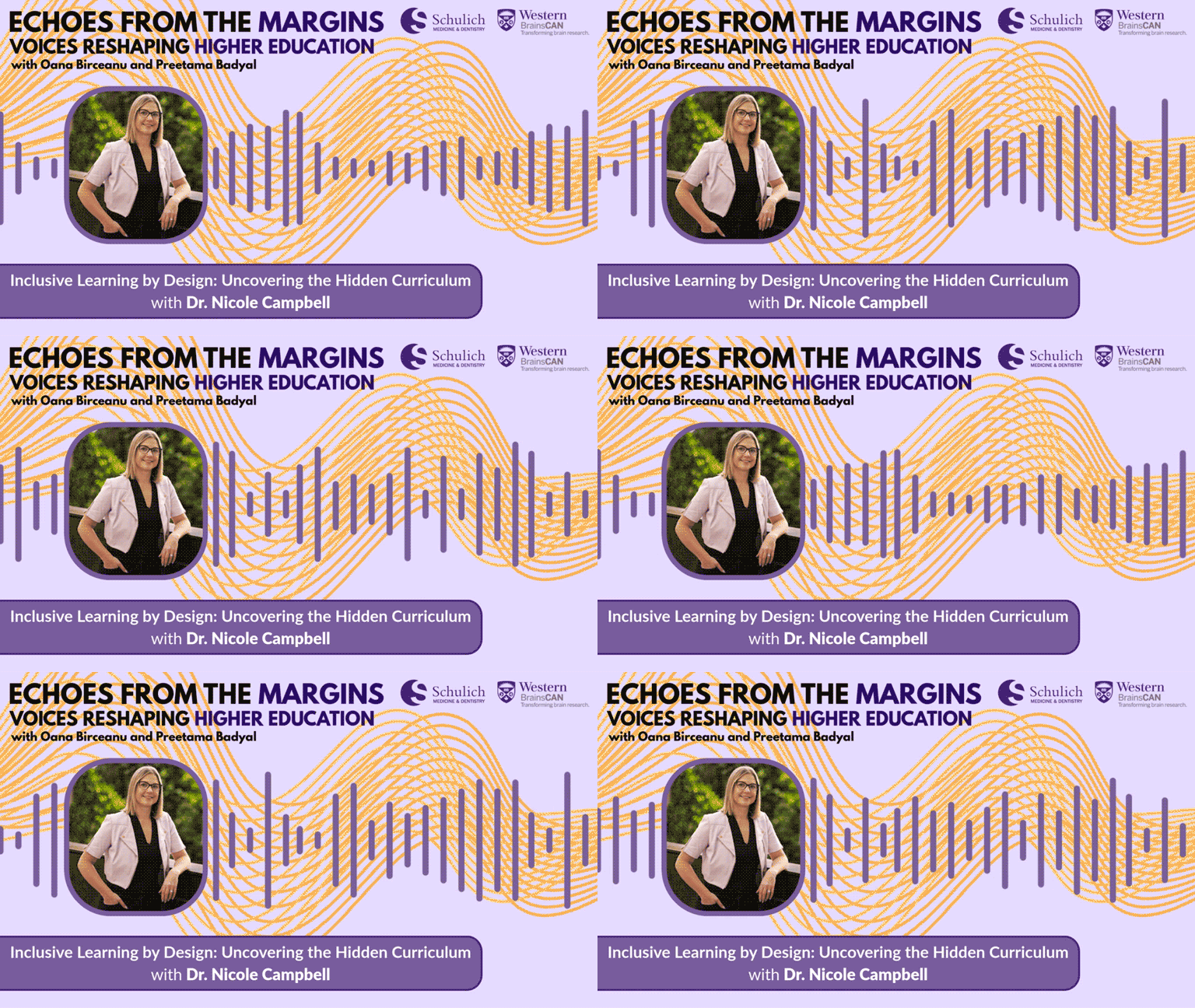
Currently six episodes are planned with the first episode now live. You can find it here or wherever you get your podcasts.
This project was funded by an EDI grant from BrainsCAN at Western and is supported by the Educational Technology and Media Services group at Schulich.